
Why We Chose Tankless Water Heaters for Our Own Homes

When customers ask us whether a tankless water heater is worth it, we could give them a list of features and specifications. But there is another answer that may be more helpful: We chose tankless water heaters for our own homes.
That does not mean a tankless water heater is automatically the right choice for every house.
Tankless systems offer several significant benefits, but they also cost more upfront, require proper installation, and need routine maintenance. Here is an honest look at why we chose tankless, what we like about it, and what homeowners should consider before making the switch.

Endless Hot Water
The biggest benefit of a tankless water heater is its ability to provide a continuous supply of hot water. A traditional water heater stores a limited amount of heated water. Once that supply is used, the tank needs time to recover before more hot water is available. A properly sized tankless unit heats water as it passes through the system, so it can continue producing hot water for as long as it is needed.
That can be especially helpful for:
Larger households
Homes with oversized tubs
Back to back showers
Families that frequently run several hot water appliances
Anyone tired of planning showers around the water heater’s recovery time
In our own homes, the ability to use hot water without worrying about emptying a storage tank was one of the biggest reasons we made the switch.
However, endless hot water does not mean unlimited capacity. Every tankless water heater has a maximum flow rate. The unit still needs to be properly sized for the number of fixtures and appliances that may be used at the same time.
Tankless Does Not Mean Instant Hot Water
This is one of the most common misunderstandings about tankless water heaters. A tankless system can produce hot water continuously, but the water still has to travel from the water heater through the plumbing before it reaches the faucet or shower. If the fixture is far from the water heater, there may still be a wait.
A properly designed recirculation system can reduce that wait by keeping hot water closer to the fixtures. Some tankless models include built in recirculation capabilities, while other homes may require additional equipment or plumbing modifications.
We incorporated recirculation into our own system because convenience was an important part of the upgrade. The right recirculation setup depends on the home’s plumbing layout, so it should be considered during the planning process rather than added as an afterthought.
More Usable Space
Tank water heaters take up floor space. Tankless units are mounted on a wall and have a much smaller physical footprint. That may not matter much in a large unfinished basement, but it can make a noticeable difference when the water heater is located in a utility closet, laundry room, garage, or other limited area.
Removing a bulky storage tank can create more usable space and make the mechanical area feel less crowded.
Energy Is Not Used to Keep a Tank Hot
A traditional tank water heater repeatedly reheats stored water so it is ready when someone opens a faucet. A tankless water heater heats water when there is a demand for it. Because it does not have to maintain the temperature of a large tank throughout the day and night, it can reduce standby energy loss.
Actual energy savings vary based on the home, hot water usage, fuel costs, equipment efficiency, and the system being replaced. We would not recommend switching to tankless based solely on the expectation of a dramatically lower utility bill.
For us, energy efficiency was a benefit, but it was not the reason we chose tankless. The endless hot water, recirculation options, and smaller footprint were important.
Potentially Longer Service Life
A quality tankless water heater that is installed correctly and maintained properly may last longer than a conventional tank water heater. Tankless units also contain replaceable internal components. Depending on the age and condition of the system, certain problems may be repairable without replacing the entire unit.
That does not mean every tankless water heater will last indefinitely. Water quality, installation, usage, maintenance, and operating conditions all affect its service life.
The Upfront Cost Is Higher
The most obvious disadvantage of switching to tankless is the initial cost. A tank to tankless conversion usually involves more than taking down the old water heater and mounting a new one. Depending on the home, the installation may require:
Changes to the gas supply
New venting
A nearby electrical outlet
Condensate drainage
Water line modifications
Isolation valves
Recirculation components
Code related updates
These requirements are one reason a tankless conversion generally costs more than replacing a traditional water heater with another tank. Every home is different. Photos and an evaluation of the existing utilities can help determine what will be required before the work begins.
Tankless Water Heaters Require Maintenance
Tankless water heaters are not maintenance free. Minerals can accumulate inside the heat exchanger as water passes through the unit. The amount and speed of that buildup depend heavily on water quality and usage. Routine maintenance may include:
Flushing or descaling the heat exchanger
Cleaning the inlet water filter
Inspecting the venting
Checking the condensate system
Cleaning air intake filters when applicable
Inspecting the burner and internal components
Ignoring maintenance can reduce performance, contribute to error codes, shorten the life of the equipment, and void the warranty. Homeowners considering tankless should be comfortable with the ongoing maintenance requirement. Some maintenance can be performed by a capable homeowner, while other inspections and repairs should be handled by a qualified professional.
A Tankless Unit Still Needs Electricity
Even a gas fired tankless water heater relies on electricity for its controls, ignition, sensors, and other internal components. During a power outage, the unit normally will not operate unless it is connected to an appropriate backup power source. A traditional gas tank water heater with a standing pilot may continue operating without household electricity, depending on its design. This may be an important consideration for homes that experience frequent outages.
Tankless Is Not Automatically the Best Choice
We like tankless water heaters enough to use them in our own homes, but we do not believe every homeowner needs one. A conventional tank water heater may be the better choice when:
Keeping the initial cost as low as possible is the main priority
The existing tank adequately serves the household
The home would require extensive gas, venting, or electrical modifications
The homeowner does not want the maintenance responsibilities
Hot water usage does not justify the additional investment
On the other hand, tankless may be worth considering if you want endless hot water, need to recover floor space, or are planning to stay in the home.
The Installation Matters
Tankless water heaters are more sensitive to proper sizing and installation than many homeowners realize. The contractor needs to consider:
The home’s hot water demand
Incoming water temperature
Available gas supply
Venting requirements
Electrical requirements
Condensate disposal
Water quality
Recirculation needs
The location of the unit
A tankless water heater can be excellent equipment, but even a good unit may perform poorly when it is undersized or installed incorrectly.
Is Tankless Right for Your Home?
We chose tankless because the benefits matched how we use hot water in our own homes. We wanted continuous hot water, more flexibility, a smaller footprint, and a recirculation system that reduced the wait at distant fixtures. We also understood that the installation would cost more and that the equipment would require maintenance.
That is the balance homeowners should consider. Tankless water heaters have real advantages, but they are not a one size fits all upgrade.
Hot Water Solutions installs tank and tankless water heaters throughout Kennesaw and surrounding Metro Atlanta communities. We can review your current setup, discuss how your household uses hot water, and help determine whether replacing your existing water heater with another tank or converting to tankless makes the most sense.
Call 678-540-6164 to discuss your options.
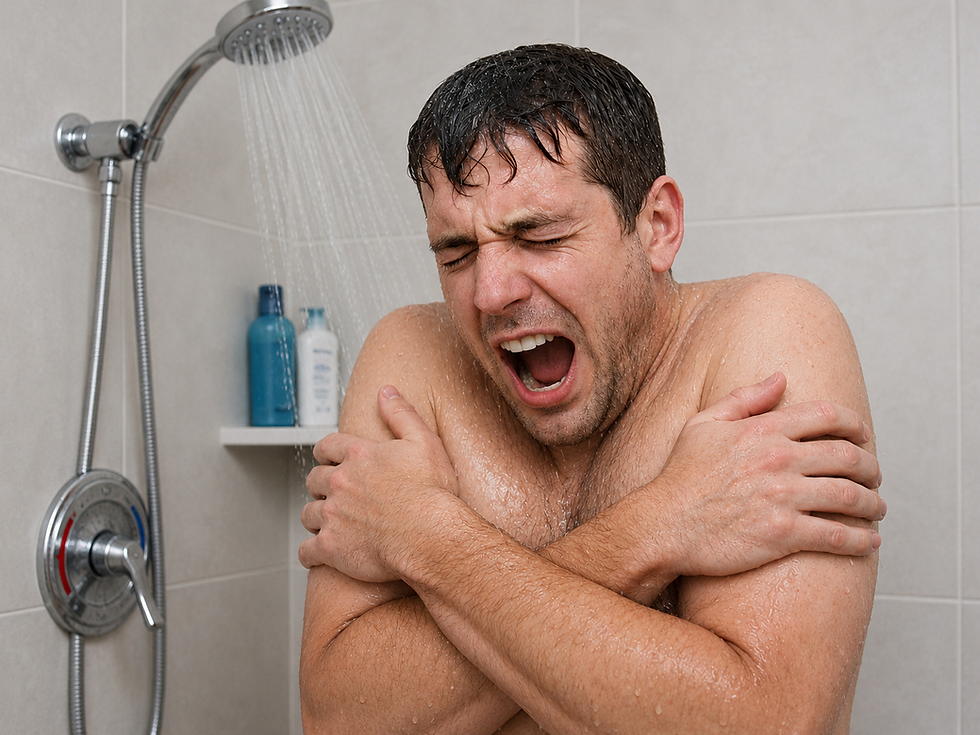
Because a cold shower should be by choice.


Comments