
Why Is My Water Heater Not Making Enough Hot Water?
- Hot Water Solutions

- 2 days ago
- 2 min read
Has your water heater started running out of hot water sooner than it used to?
Maybe everyone used to get through their showers comfortably, but now the hot water seems to disappear much faster.
If your water heater is not making enough hot water, there are several possible causes. Some are relatively minor. Others may indicate the system is approaching the end of its lifespan.
Understanding what's changed can help determine whether repair or replacement makes the most sense.
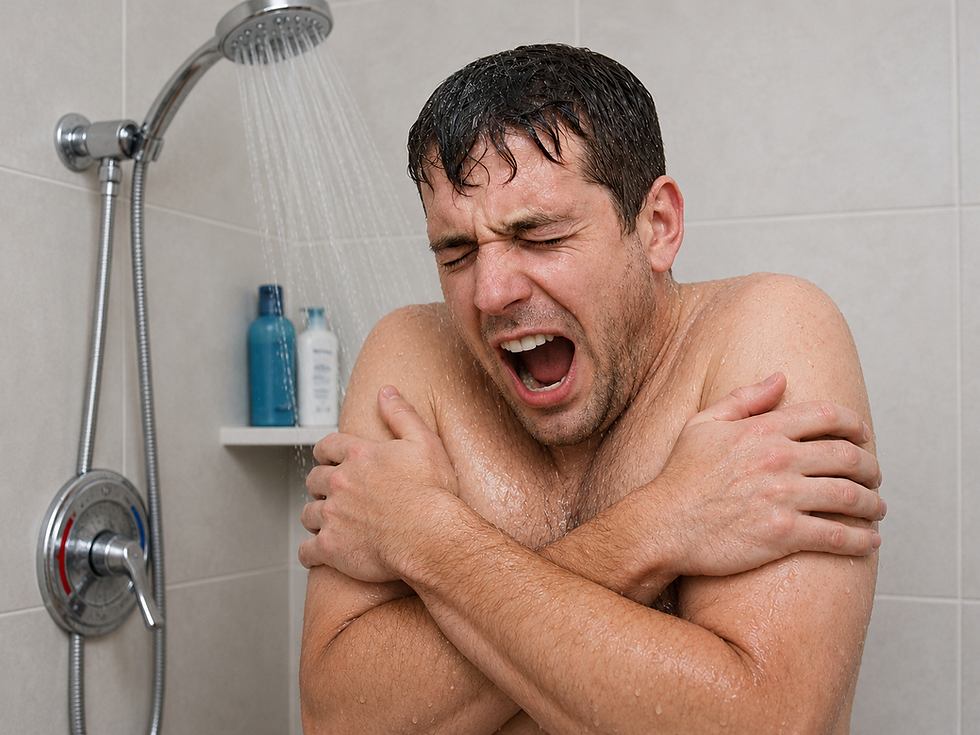
Why Is My Water Heater Not Making Enough Hot Water?
The most common reasons include:
Aging water heater
Failed heating elements
Thermostat issues
Increased household demand
Sediment buildup
Undersized water heater
Not every issue means replacement is necessary, but each should be evaluated.
Water Heater Not Making Enough Hot Water: Common Cause
Your Household Demand Has Increased
Sometimes the water heater isn't actually performing worse. Instead, demand has increased. Examples include:
Additional family members
Longer showers
New appliances
Changes in daily routines
A water heater that worked perfectly five years ago may no longer match your current needs.
Failed Heating Elements
For electric water heaters, a failed heating element is a common cause of reduced hot water production. When one element stops working:
The system still heats water
Capacity is reduced
Recovery becomes slower
Many homeowners describe this as "still getting some hot water, but not enough."
Thermostat Problems
A faulty thermostat can prevent the water heater from reaching the correct temperature. This may result in:
Lukewarm water
Shorter hot water supply
Inconsistent performance

Sediment Buildup
Over time, minerals can accumulate inside tank water heaters. This buildup can:
Reduce efficiency
Decrease usable capacity
Cause longer recovery times
The older the water heater becomes, the more likely sediment contributes to performance issues.
The Water Heater Is Simply Aging
Most tank water heaters last approximately 10–12 years. As systems age:
Components wear out
Efficiency decreases
Hot water production may decline
If your water heater is approaching this age range, replacement may become a consideration.
When Replacement May Make More Sense
Sometimes repair is the best option. Other times, if the system is:
Older
Experiencing multiple problems
Near the end of its expected lifespan
...replacement may provide better long-term value.
What Homeowners Often Assume Incorrectly
Many people immediately assume they need a larger water heater. Sometimes they do. But often the issue is:
A failed component
Aging equipment
A repairable problem
Proper diagnosis should come before replacement decisions.
Related Reading
Bottom Line
If your water heater is not making enough hot water, don't assume replacement is the only solution.
👉 Call or text 678-540-6164 and we'll help determine what's causing the issue.


Comments